

 en
en
 English
 русский
 Español
 عربى
عربى


Polyethylene Pipe Standards Explained: ASTM, AWWA, and ISO for Buying PE Pipes
Industry News-Content
When you are sourcing polyethylene pipe for a municipal water line, a gravity sewer rehabilitation, or an underfloor heating loop, the document that should change hands first is not a price list. It is the material specification. Standards for polyethylene pipe define not only dimensions and pressure ratings but also the polymer's density, slow crack growth resistance, long-term hydrostatic strength, and even the way joints must be made and tested.
A pipe that meets one standard may be perfectly acceptable for cold-water service yet completely unsuitable for a buried installation subjected to point loads. The difference shows up in the resin designation, the SDR (standard dimension ratio), and the installation standard referenced in the project spec. This article explains the most important polyethylene standards you will encounter when buying PE pipe, and how to use them to make better purchasing decisions.
Three Families of Polyethylene Standards
No single document covers everything. In practice, polyethylene pipe standards fall into three groups: material specifications, product/geometry specifications, and installation/test standards. Here are the most common ones you will see in water and drainage projects.
| Group | Standard | Scope |
|---|---|---|
| Material | ASTM D3350 | Specification for polyethylene plastic pipe and fittings materials — defines cell class by density, melt index, slow crack growth, and hydrostatic design basis. |
| Product | ASTM F714 | Specification for PE plastic pipe (SDR-PR) based on outside diameter — covers 0.5 in to 63 in. |
| Product | AWWA C901 | PE pressure pipe and tubing, 3/4 in through 3 in, for water service. |
| Product | AWWA C906 | PE pressure pipe and fittings, 4 in through 65 in, for waterworks. |
| Product | ISO 4427 | Polyethylene (PE) pipes and fittings for water supply — widely used outside North America. |
| Installation | ASTM D2321 | Underground installation of thermoplastic pipe for sewers and gravity-flow applications. |
| Installation | AWWA M55 | Design and installation manual for polyethylene pipe in water applications. |
| Health | NSF/ANSI 61 | Health effects of drinking water contact materials — applies to potable-water PE pipe and fittings. |
Notice the distinction between pressure pipe standards (AWWA C901/C906) and gravity drainage standards. Polyethylene pipe used for storm water or sewer outfalls is governed by different pressure design assumptions than pipe used for drinking water mains. A buyer who quotes the wrong family may end up with pipe that is either over-specified and expensive, or under-designed for the actual service.
Decoding PE Material Designations
The most confusing part of PE standards is the material code. ASTM and ISO use different naming systems to describe the same basic polymer. The two designations appear on product data sheets and mill test certificates, and they are not interchangeable.
ASTM classifies polyethylene compounds using a cell-class system defined in ASTM D3350. A pipe with a PE4710 designation – the premium grade for pressure applications – has a cell class that guarantees a minimum hydrostatic design basis (HDB) of 1,600 psi at 73°F, in addition to specified slow crack growth resistance and density. ISO, by contrast, uses the MRS (minimum required strength) approach. PE100 means the material has a minimum required strength of 10 MPa (about 1,450 psi) at 20°C, which is loosely equivalent to PE4710 in short-term strength but not identical in long-term tests.
Why does that matter? The pressure rating of a PE pipe is calculated from the material's HDB or MRS, divided by a design factor (typically 0.63 in North America or 1.25 in ISO terms) and then converted to a working pressure via the SDR. For example, a PE100 pipe with SDR11 has a theoretical pressure rating of 16 bar (about 232 psi) at 20°C. The same SDR in a PE80 pipe would rate only 12.5 bar. That is a 28% difference in capacity from the same outer diameter and wall thickness.
When you see a certification report, check that the designation matches the standard called out in your project specification. It is not enough to say "PE pipe" without an SDR or a material grade. A PE4710 pipe and a PE100 pipe may look identical on the outside but perform differently under sustained pressure and cyclic loads.
Linking Standards to Your Application
Polyethylene standards are written for specific services. The same material used for a buried water main must also pass separate criteria when used in a radiant heating system because temperature changes the long-term strength of the polymer. Here is how the standards line up with common buying scenarios.
Potable Water Supply and Distribution
For municipal water mains and service lines, AWWA C901 and C906 are the most widely accepted product standards in North America. In Europe and Asia, ISO 4427 plays a similar role. Both require the pipe to carry a pressure rating at 20°C/73°F, but the hydrostatic design basis is established from long-term pressure tests on the raw resin. In addition, any product that touches drinking water should comply with NSF/ANSI 61 or an equivalent local health regulation. The certification is applied to the complete pipe and fitting system, not just the raw polymer.
Comparing materials across systems? Sometimes a project will switch from PE to a polypropylene-based system because of local availability or joining preference — our PPR water supply pipe range is one example of an alternative with different thermal and pressure ratings.
Drainage, Sewer, and Gravity Applications
Gravity flow works differently from pressured water. The pipe must resist deflection from soil loads, tolerate uneven bedding, and maintain a watertight joint over decades. ASTM D2321 gives the installation practice for underground thermoplastic pipe; ASTM F714 provides the dimensional standard for PE pipe based on outside diameter. In these applications, the pipe stiffness is often more important than the pressure rating. A PE pipe with a lower pressure class can still be a good drainage product if its ring stiffness meets the project's needs.
For a deep-dive into cost considerations between PE and other materials for gravity pipelines, this 25-year total cost-of-ownership comparison for HDPE drainage pipe explains why installation and maintenance costs often outweigh the pipe's initial price.
Radiant Heating and PE-RT
Polyethylene's high-temperature limitation pushed manufacturers to develop PE-RT (polyethylene raised temperature) resin. PE-RT pipe is classified separately from PE pressure pipe because it is intended for continuous use at elevated temperatures. Its long-term hydrostatic strength is tested at elevated temperatures, not just at 73°F. For floor heating systems, the relevant standard is often a product specification for PE-RT pipe geometry and material; many suppliers also refer to ISO 22391.
Our single-layer PE-RT underfloor heating pipe is manufactured to the dimensional tolerances and material requirements expected by modern heating installers, with a reliable oxygen barrier design available on request. When the project calls for a thicker wall or enhanced thermal performance, our double-layer PE-RT pipe gives installers a wider safety margin for pressure and temperature cycling.
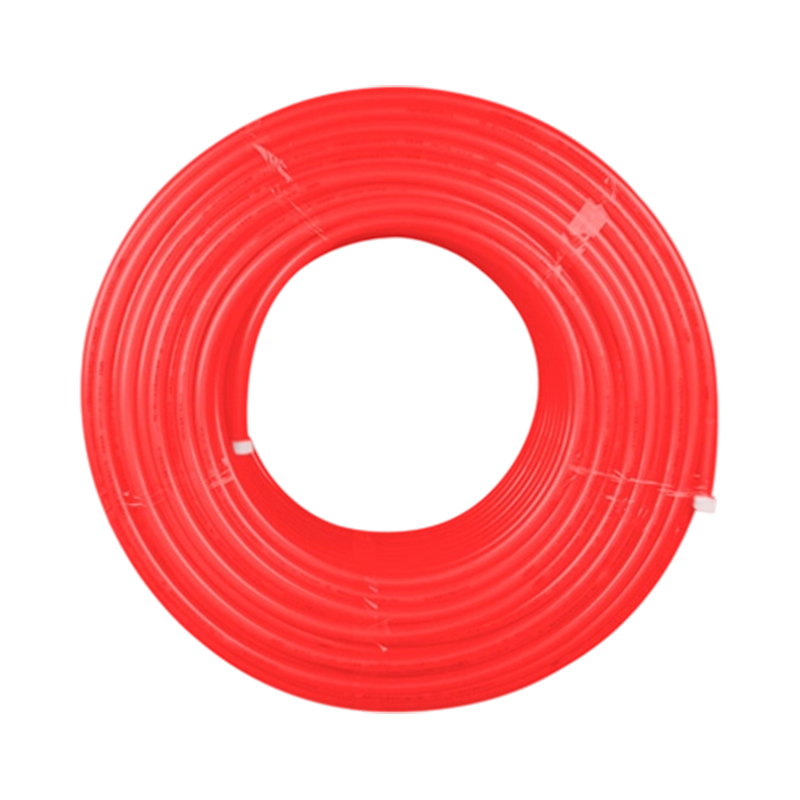 Red PE-RT underfloor heating pipe (double layer) Suppliers, Wholesale Company - Pilsa Pipe is Red PE-RT underfloor heating pipe (double layer) Suppliers and Company in China, Wholesale Red PE-RT underfloor heating pip...View Product →
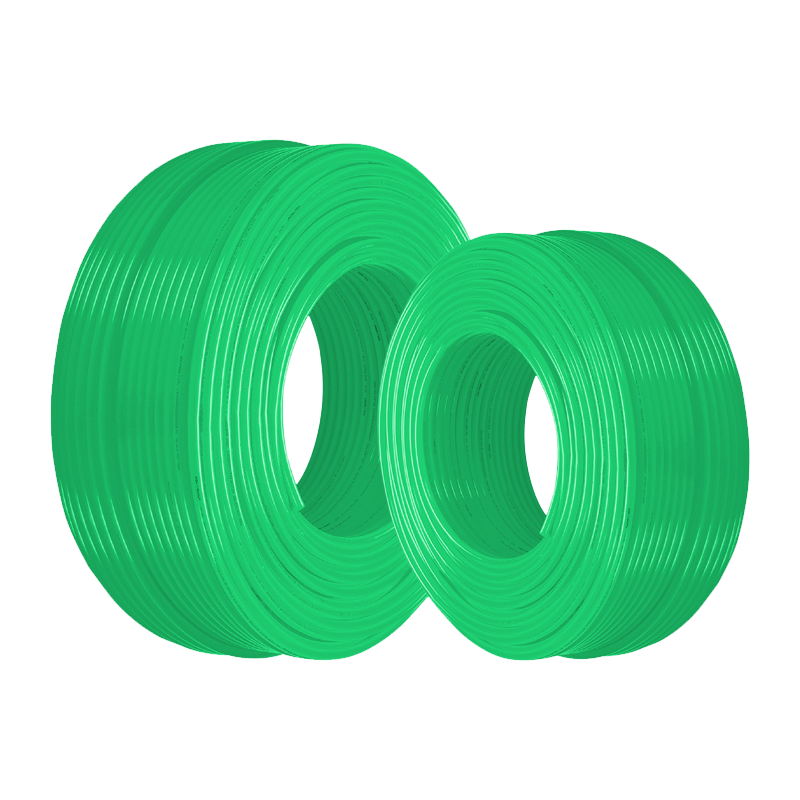 PE-RT Classic Green Single-Layer Underfloor Heating Pipe Suppliers, Wholesale CoPilsa Pipe is PE-RT Classic Green Single-Layer Underfloor Heating Pipe Suppliers and Company in China, Wholesale PE-RT Classic Green Sing...View Product →
The whole system must work together: pipe, fittings, and manifold. If you are planning a large installation, it is worth reviewing the complete underfloor heating pipe system components rather than sourcing each item from a different batch of standards.
Five Questions to Ask Before You Commit
A knowledgeable buyer can quickly filter suppliers by asking for evidence of standards compliance, not just a brochure. Use this checklist when evaluating a PE pipe manufacturer or distributor:
- Can you provide a resin data sheet with the ASTM D3350 cell class or ISO MRS? This confirms the raw material grade before any processing.
- What product standard does the pipe comply with? For water service, ask if it is AWWA C901/C906, ISO 4427, or an equivalent national standard.
- Are fittings and joints covered by the same specification? A pipe approved under AWWA C906 does not automatically approve a socket fusion fitting from another source.
- Do you have test certificates from an independent lab? Look for documented long-term pressure testing (e.g., 10,000-hour regression tests) and, where relevant, NSF/ANSI 61 certification for potable water.
- Are installation instructions provided that reference ASTM D2321 or AWWA M55? A pipe material standard is useless if the burial depth, bedding, and compaction procedures are not followed.
These questions matter because even a grade PE100 pipe can fail early if the installation violates the assumed load conditions. Standards are not just about accepting the pipe; they are about planning its whole life cycle.
Standards Are Your First Line of Defense
Polyethylene standards exist to translate decades of testing into a predictable, insurance-backed performance envelope. When you can read a material designation, match it to the correct product standard, and verify the installation practice, you have already removed most of the variables that cause premature pipe failures. That is a better strategy than relying on a supplier's verbal assurance.
As a manufacturer of plastic piping systems for water supply, drainage, and heating, we build our product lines around the dimensional and material requirements that these standards define. If you are evaluating PE-RT for a heating project or comparing standards for a water installation, we can help you map your application to the right pipe grade. Start with the product details above, or contact us with your project specification.
Our Product //
Recommend Products
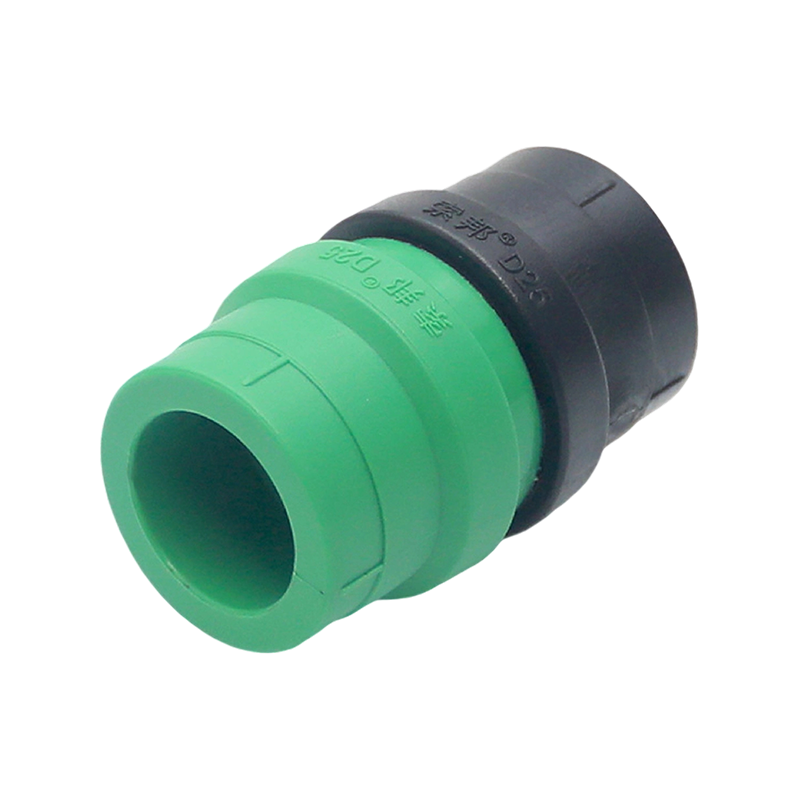
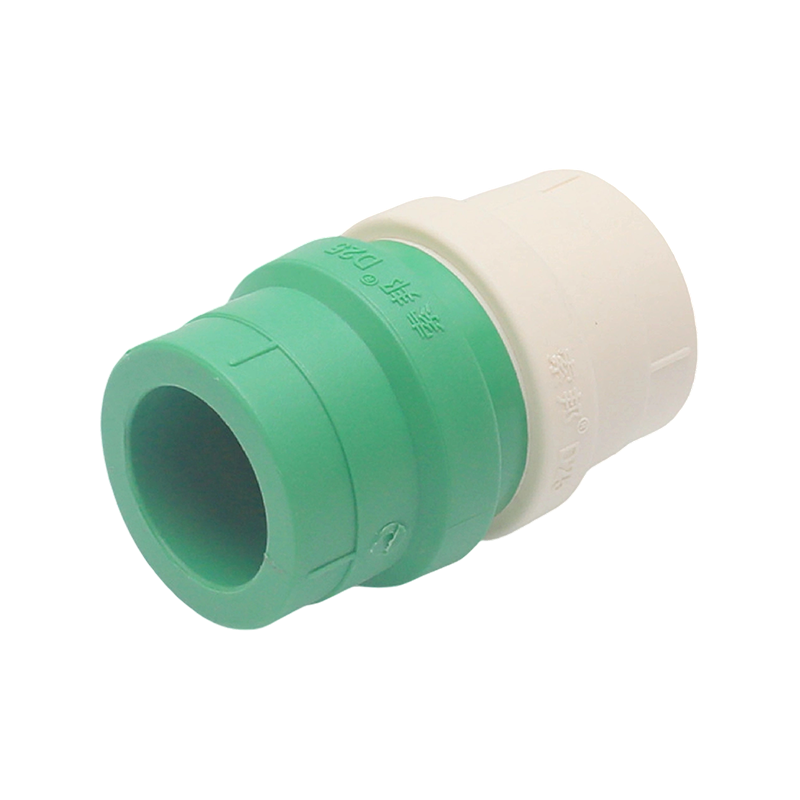
 +86-13801995968
 +86-18017886575
 No. 366, Lane 6995, Puxing Road, Fengxian District, Shanghai
Copyright © SHANGHAI PILSA PIPE INDUSTRY CO., LTD. All rights reserved.

