

 en
 English
 русский
 Español
 عربى



Plastic Water Supply Infrastructure: PPR Pipes, Fittings & Installation Guide
Industry News-Content
- 1 What Plastic Water Supply Infrastructure Includes
- 2 Material Selection Starts with Water Conditions
- 3 Choosing the Right PPR Pipe Construction
- 4 Fittings, Joints, and Flow Control
- 5 Installation Practices That Protect Long-Term Performance
- 6 A Practical Procurement Checklist
- 7 Where Suban Fits as a Supply Partner
Plastic water supply infrastructure is more than a length of pipe running from a meter to a tap. It is a connected system of pipes, fittings, valves, manifolds, supports, jointing methods, and testing routines that must work together for decades. In residential blocks, schools, hotels, hospitals, and light industrial buildings, the difference between a reliable system and a problem-prone one usually comes down to thoughtful material selection and disciplined installation.
At Suban, we have worked with plastic piping systems since 2003, and we have seen how small decisions at the design and procurement stage influence maintenance costs later. This guide explains how to think about plastic water supply infrastructure as a complete system rather than a shopping list of parts.
What Plastic Water Supply Infrastructure Includes
A complete potable water system usually includes the incoming service pipe, vertical risers, floor-by-floor distribution, isolation valves, pressure-reducing devices where needed, and the final connections to fixtures. Behind the visible pipework are heat-fused joints, threaded transitions, pipe clamps, expansion allowances, and pressure test records.
Plastic piping is also used alongside other systems in the same building. Drainage, rainwater, and electrical conduit may share service shafts and risers, so coordination matters. The table below shows the main roles of common plastic piping systems in building infrastructure.
| System | Typical Role | Key Strengths | Design Watchpoints |
|---|---|---|---|
| PP-R | Hot and cold potable water distribution, risers, and fixture branches | Heat-fused joints, corrosion resistance, smooth bore | Pressure and temperature de-rating, thermal expansion, proper fusion |
| PE-RT | Underfloor heating and low-temperature hydronic circuits | Flexibility, long coil runs, fewer joints in slabs | Protection during construction, manifold balancing, UV exposure |
| PVC-U | Drainage, rainwater, venting, and electrical conduit | Rigid structure, chemical resistance, cost-effective installation | Not for hot pressurized potable supply; solvent-weld quality and support |
For supply infrastructure, PP-R remains a practical choice in many building projects because it can handle both hot and cold water when correctly specified. The important word is “correctly.” A pipe that is suitable for a low-rise apartment may not be suitable for a high-rise riser without adjusting pressure class, wall thickness, and support spacing.
Material Selection Starts with Water Conditions
Before comparing pipe types, gather the basics: operating pressure, maximum hot-water temperature, chlorine or disinfectant levels, building height, ambient temperature, and whether the pipe will be concealed or exposed. These inputs determine the pressure rating and material class, not the other way around.
PP-R is commonly used for hot and cold water because it resists corrosion and forms homogeneous joints through heat fusion. However, its allowable stress changes with temperature. A system designed for continuous hot-water service needs a different safety margin from a cold-water branch line. It helps to review PPR pipe sizes and pressure ratings early, rather than discovering a mismatch after the riser schedule has been fixed. Our PPR pipe size and pressure rating guide is a useful starting point for those conversations.
Water quality also matters. In potable water lines, smooth internal surfaces and hygienic operation are important. For projects with long stagnation periods or high hygienic requirements, an antibacterial PPR option may be considered alongside flushing and disinfection procedures.
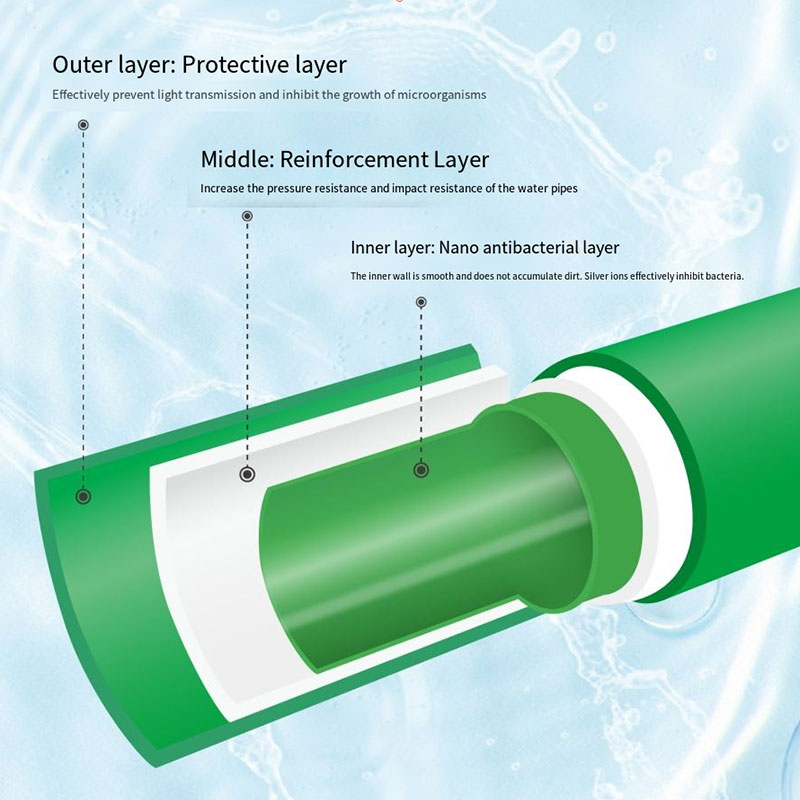 PPR Antibacterial Pipe for Potable Water LinesAntibacterial PPR pipe option for potable water lines where hygiene and stagnation are concerns, suitable alongside flushing and disinfection practices.View Product →
Choosing the Right PPR Pipe Construction
PP-R pipe is available in single-layer, double-layer, and three-layer constructions. The differences are not simply cosmetic. Layer structure can affect light transmission, oxygen diffusion considerations, surface appearance, and how the pipe performs in exposed or concealed locations. For standard domestic distribution, single-layer pipe is widely used. For projects that need additional barrier properties or clearer layer identification, multi-layer options may be preferred.
Cold-climate projects should also consider freeze risk. An antifreeze pipe variant can help in vulnerable locations, but it is not a substitute for insulation, drainage of exposed lines, or correct burial depth. The best result comes from combining the right pipe grade with practical frost protection.
For many commercial and residential supply lines, a three-layer PPR pipe offers a balanced solution where the specification calls for a multi-layer wall structure. It can be used for hot and cold water distribution when the pressure and temperature ratings suit the project.
 Three Layer PPR Pipe for Hot and Cold WaterMulti-layer PPR pipe option for commercial and residential supply lines, used for hot and cold water when ratings suit the project.View Product →
Fittings, Joints, and Flow Control
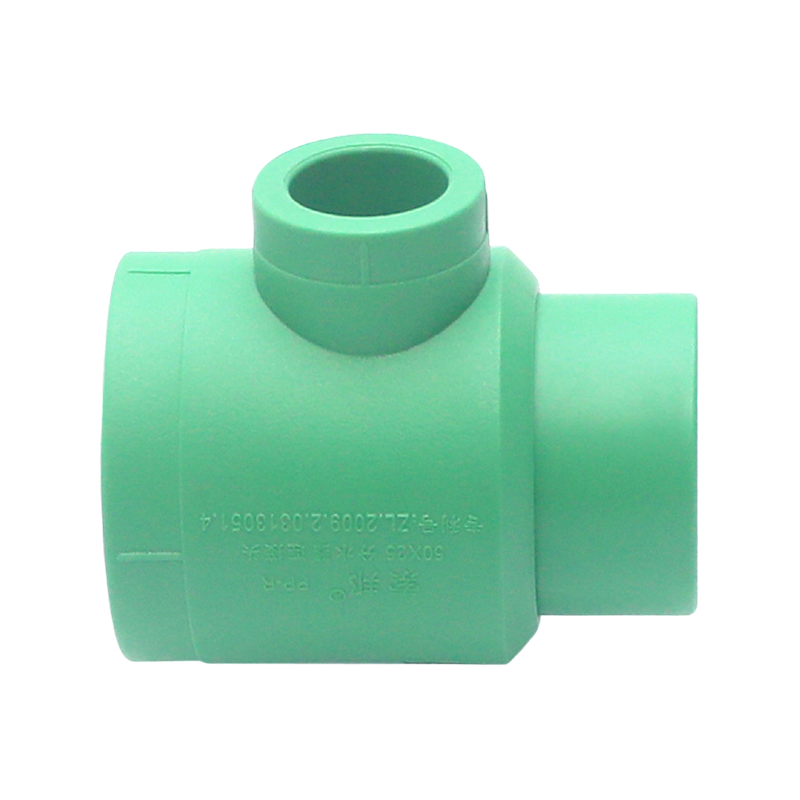
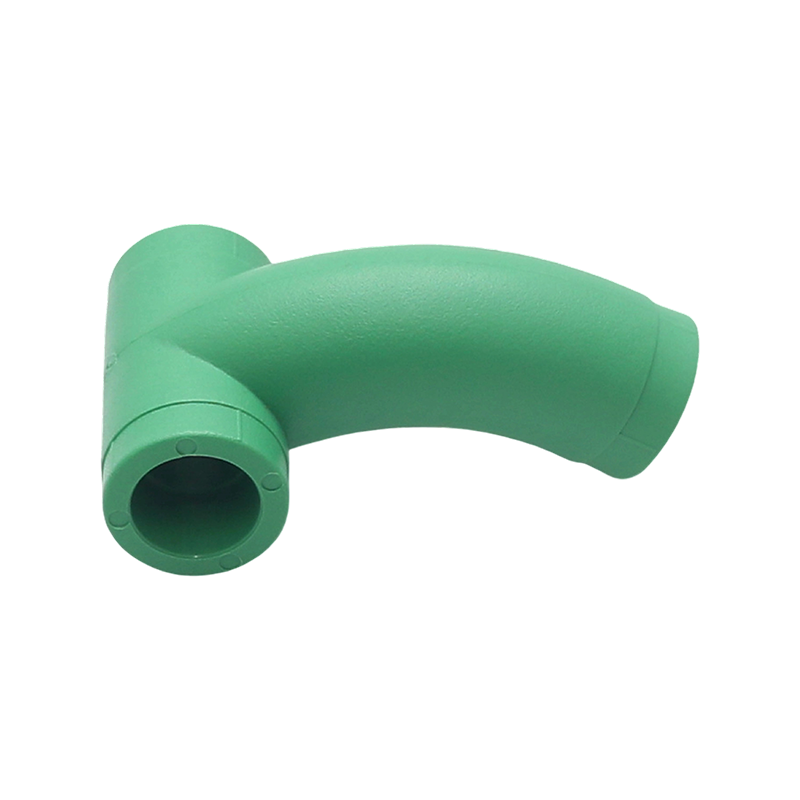
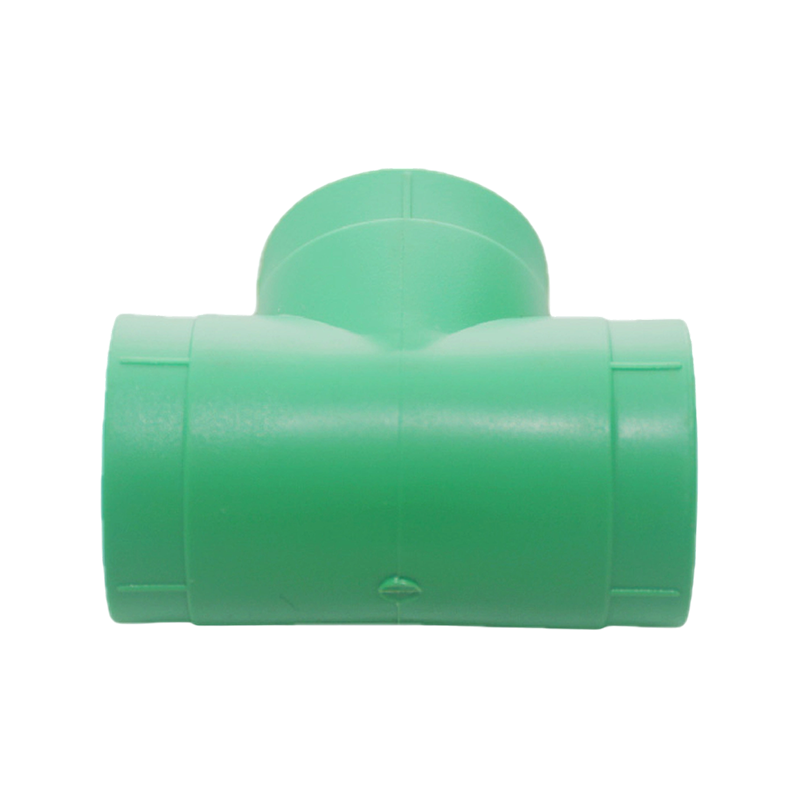
Infrastructure performance is often decided at the fittings. Elbows change direction, tees create branches, unions allow future service, reducers match different pipe sizes, and manifolds distribute water to multiple outlets from one control point. Each fitting introduces a joint, and each joint must be suitable for the pipe material, pressure class, and installation method.
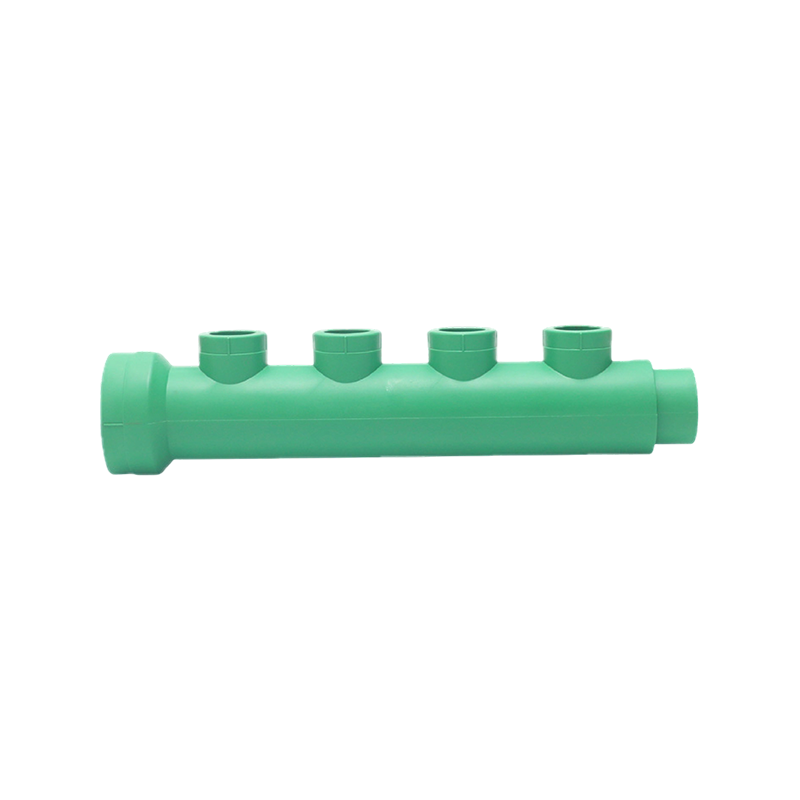
Heat-fused PP-R fittings create a continuous joint when the correct heating time, insertion depth, and cooling period are followed. Threaded transitions need compatible sealants and should not be over-tightened. In shower and fixture connections, female-threaded elbows and tees are common, but the quality of the brass insert and the surrounding plastic body matters. For larger distribution points, a high-flow manifold can reduce the number of concealed joints and make future isolation easier.
When selecting fittings, avoid mixing pressure classes casually. A reducing tee or union should match the pressure rating of the pipe it serves. It is also wise to keep a consistent fitting family across a project so that installers do not need to switch tools and procedures from floor to floor. Our company profile provides more background on the product systems we manufacture and supply.
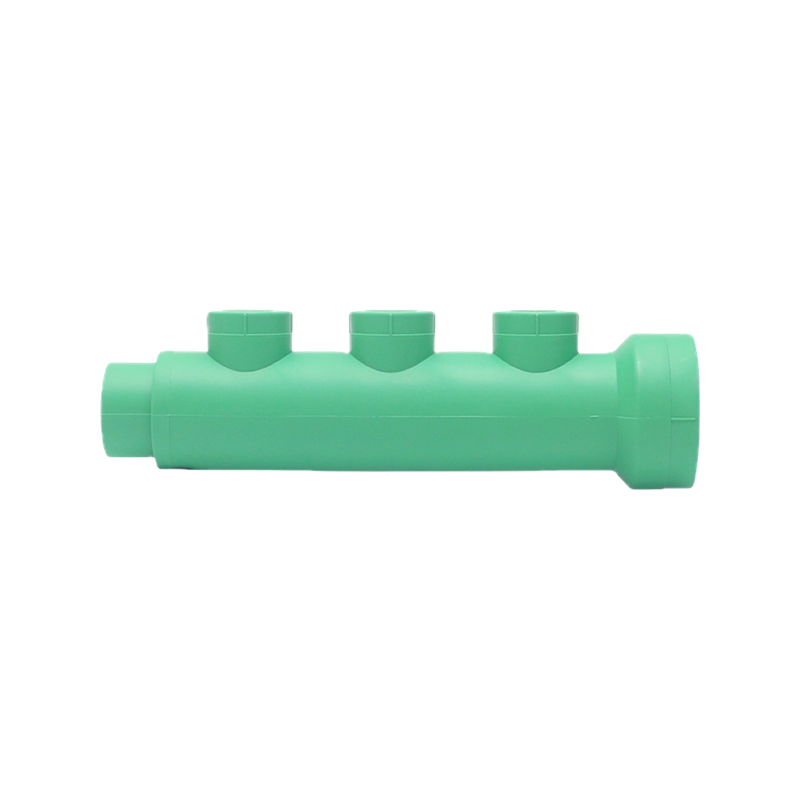
 PPR High Flow Manifold with 4-Way Copper UnionsFour-way PPR manifold with female threaded copper unions for water supply piping, useful where multiple outlets need distribution from one control point.View Product →
Installation Practices That Protect Long-Term Performance
A good plastic water supply system is installed with the same care as it is specified. The following practices are simple, but they prevent many of the callbacks we see in the field:
- Store pipe and fittings away from direct sunlight and construction traffic before installation.
- Cut pipe square and clean the cut end before heat fusion.
- Use the correct heating tool temperature and follow the recommended fusion time.
- Allow joints to cool without twisting or applying load.
- Provide supports at the spacing required for the pipe diameter and water temperature.
- Allow for thermal expansion in long hot-water runs.
- Pressure-test the system before concealing pipework, and record the results.
- Flush and disinfect potable water lines according to the project protocol.
Thermal expansion deserves particular attention in hot-water risers and long horizontal runs. Plastic pipe moves as temperature changes. If it is clamped too tightly, the movement can transfer stress to fittings. Expansion loops, sliding supports, and correct anchor placement should be shown on the installation drawings, not left to guesswork on site.
A Practical Procurement Checklist
Buyers and project managers can reduce risk by asking a few direct questions before placing an order. Does the pipe and fitting schedule match the same pressure class? Are the fittings from the same system family as the pipe? Are threaded inserts suitable for the water temperature and fixture torque? Is there a clear pressure-test plan? Will the supplier provide consistent dimensions and markings across batches?
For export projects, packaging and documentation also matter. Mixed container loads should be clearly labeled by floor, riser, or apartment type so the site team can receive and store materials without sorting confusion. A supplier who understands the installation sequence can help avoid shortages of small but critical parts such as reducers, unions, and clamps.
It is equally important to check the full system, not just the main pipe. A project may specify a premium pipe but use low-quality concealed fittings. Since most failures occur at joints and transitions, the fittings deserve the same scrutiny as the pipe.
Where Suban Fits as a Supply Partner
Shanghai Pilsa Pipe Industry Co., Ltd. manufactures under the Suban brand and operates production bases in Shanghai and Zhoukou, Henan, with additional cooperative capacity in several Chinese provinces. Our PPR water supply range includes single-layer, double-layer, three-layer, antibacterial, and antifreeze pipes, along with a broad family of hot-melt fittings, elbows, tees, unions, and high-flow manifolds.
We also produce PVC drainage and electrical conduit systems, plus PE-RT underfloor heating pipe and manifolds. This system-level view helps us discuss how supply, drainage, and heating pipework need to coordinate in shafts, ceiling voids, and floor build-ups. Our team has export experience across more than 20 countries, and we are used to supporting buyers who need practical answers rather than generic brochures.
If you are planning a residential, commercial, or institutional project, the earlier the pipe system is discussed, the fewer surprises appear during installation. Share your pressure, temperature, and layout requirements with our team, and we will help you build a practical schedule for plastic water supply infrastructure that balances performance, installability, and long-term service.
Our Product //
Recommend Products

 +86-13801995968
 +86-18017886575

 No. 366, Lane 6995, Puxing Road, Fengxian District, Shanghai
Copyright © SHANGHAI PILSA PIPE INDUSTRY CO., LTD. All rights reserved.

