

 en
 English
 русский
 Español
 عربى



Graphene Floor Heating Pipe: Faster Heat, Lower Energy Bills
Industry News-Content
- 1 Northern China Hit 0°C in September — Is Your Heating System Ready?
- 2 Why Installing in September Beats Waiting for Winter
- 3 What Graphene Actually Changes in a Heating Pipe
- 4 Durability Factors That Determine a 50-Year Lifespan
- 5 Installation: What Contractors and Homeowners Need to Know
- 6 Material Safety for Indoor Use
- 7 Making the Decision Before Cold Weather Sets In
Northern China Hit 0°C in September — Is Your Heating System Ready?
By early September, minimum temperatures in parts of northern China had already dropped below 0°C, and most southern regions had cooled below 30°C. That shift tends to trigger the same question in households every year: will the floor heating hold up once winter actually arrives, or will there be another season of slow warm-up times and creeping energy bills.
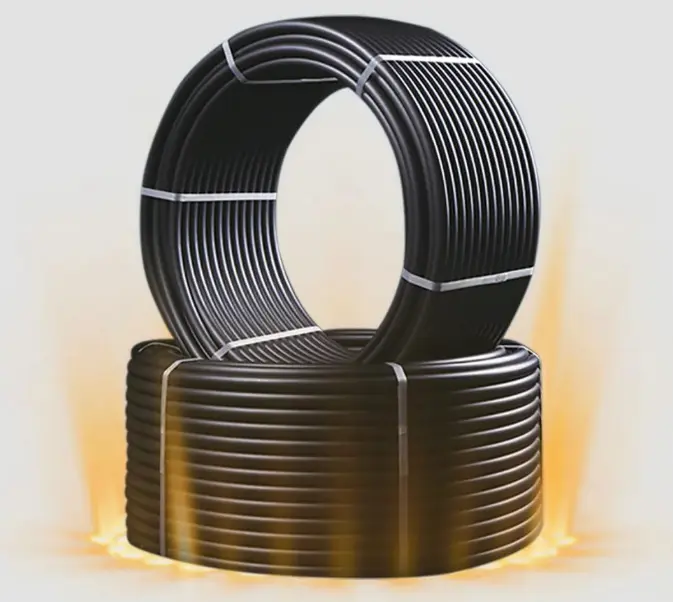
The material inside the pipe answers that question more than almost any other factor. A graphene-enhanced PE-RT pipe changes how quickly heat moves through the floor and how much energy it takes to keep a room comfortable — two variables that standard pipe materials struggle to improve at the same time.
Why Installing in September Beats Waiting for Winter
Floor heating installation is a job that rewards patience, not urgency. Contractors booked solid in November and December often rush jobs, leaving less room for proper testing before the first cold snap hits.
September installation avoids that bottleneck entirely. There's enough time to complete the work, run the system through a full test cycle, and fix any issues before they matter. By the time temperatures drop, the system is already proven — not still being calibrated.
What Graphene Actually Changes in a Heating Pipe
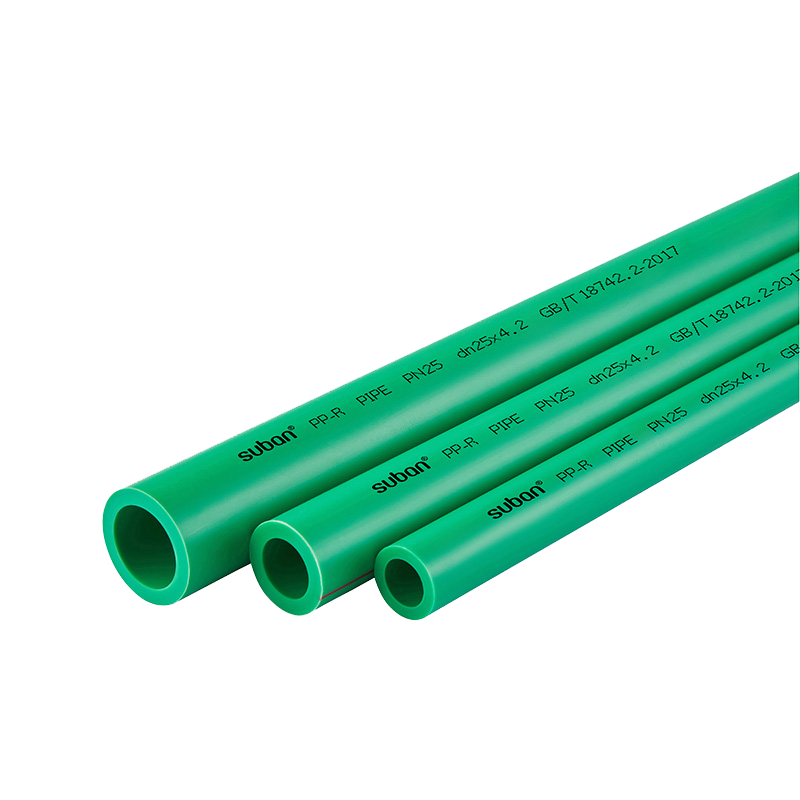
Graphene's thermal conductivity is significantly higher than that of standard polymer materials, which is why manufacturers have started blending it into PE-RT pipe composites for floor heating. Suban's graphene floor heating pipe uses imported PE-RT resin combined with a graphene composite layer, and the performance difference shows up in several measurable ways.
Faster Warm-Up: 2–4x Quicker Than Standard Pipes
Heat transfer through the pipe wall happens at 2 to 4 times the rate of conventional PE-RT pipe. In practice, that means a room reaches target temperature sooner after the system starts, rather than requiring an hour or more of gradual buildup.
46% Higher Heat Dissipation Efficiency
Once water is circulating, the pipe releases heat into the floor and room more effectively — measured at a 46% improvement over standard materials. This matters most in systems with zoned or room-by-room temperature control, where faster response lets each zone reach its setpoint without running the boiler longer than necessary.
Insulation That Cuts Energy Use by 30%
Better insulation performance means less heat escapes once a room reaches its target temperature, which reduces how often the system needs to cycle back on. Combined with on-demand heating support, this translates into energy savings of roughly 30% over a full heating season compared to standard pipe.
Durability Factors That Determine a 50-Year Lifespan
A floor heating pipe is embedded in concrete or screed, which makes replacement expensive and disruptive. Suban's pipe is built with that constraint in mind, targeting a service life of up to 50 years through a combination of material stability and structural protection.
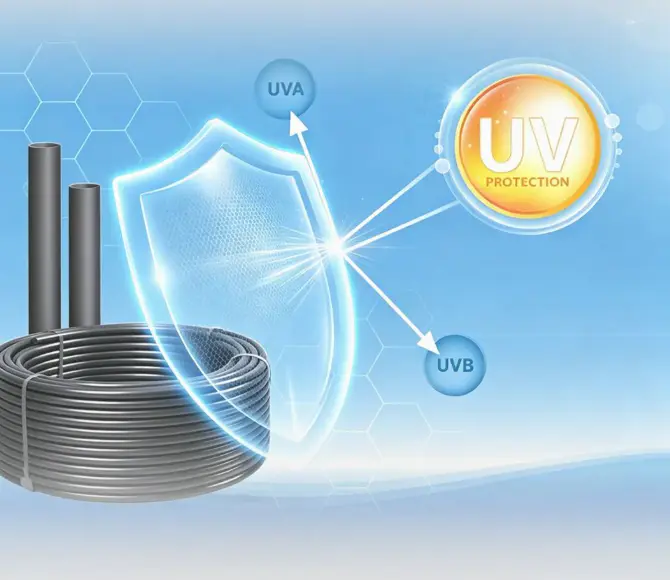
- UV resistance and structural oxygen-barrier protection, with oxygen permeability that outperforms German DIN standards
- Reduced bacteria and algae growth inside the pipe walls, which keeps thermal transfer efficient over time
- Strong resistance to creep deformation, so the pipe maintains its shape and performance under sustained heat and pressure
These properties work together rather than independently. A pipe that resists internal buildup but has weak creep resistance will still degrade in performance over a decade of use — Suban's design addresses both.
Installation: What Contractors and Homeowners Need to Know
Material upgrades only matter if they don't complicate installation. Suban's pipe bends easily without pre-heating, even in cold working conditions, and resists stress-related cracking during handling — both of which speed up on-site work.
The pipe is also compatible with standard PE-RT hot-melt fitting connections, so crews familiar with conventional systems don't need new tools or techniques. If a section is accidentally damaged during installation or later use, repairs follow the same straightforward process, keeping maintenance costs low relative to the pipe's expected lifespan.
Material Safety for Indoor Use
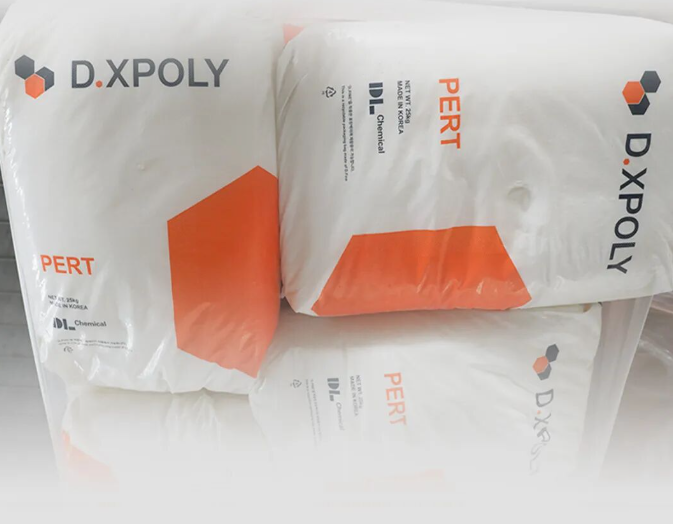
Because the pipe runs throughout the living space for decades, material composition matters beyond thermal performance. Suban uses imported Korean PE-RT raw material combined with graphene composites, with no harmful additives — the finished pipe is non-toxic and odorless, which is worth confirming for any system installed under floors where a family spends most of its time.
Making the Decision Before Cold Weather Sets In
Faster heat-up, lower running costs, and a multi-decade lifespan are the three factors that most directly affect whether a floor heating investment pays off. A pipe that heats slowly or degrades within a decade erodes those savings regardless of the upfront price difference.
With temperatures still mild, there's a practical window to plan and install before demand — and pricing — shifts toward the winter rush.
Our Product //
Recommend Products



 +86-13801995968
 +86-18017886575

 No. 366, Lane 6995, Puxing Road, Fengxian District, Shanghai
Copyright © SHANGHAI PILSA PIPE INDUSTRY CO., LTD. All rights reserved.

