

 en
en
 English
 русский
 Español
 عربى
عربى


6 Types of Plastic Pipe: PVC, PEX, PPR, CPVC, ABS, PE-RT Comparison
Industry News-Content
- 1 Why Plastic Pipes Dominate Modern Plumbing
- 2 The 6 Major Types of Plastic Pipe: A Quick-Reference Matrix
- 3 Deep Dive #1: PVC and CPVC — The Workhorses of Drainage and Hot Water
- 4 Deep Dive #2: PEX — The Flexible Champion for Retrofit and Radiant Heating
- 5 Deep Dive #3: PPR and PE-RT — The European and Asian Standards for Hot and Cold Water
- 6 How to Choose the Right Plastic Pipe: A Decision Framework
- 7 B2B Considerations: Buying Plastic Pipe in Bulk
Over 70% of new residential plumbing installations in the U.S. now use plastic pipe. Yet within that broad category, the differences between materials can mean the difference between a 50-year trouble-free service life and a costly failure within five. Not all plastics are created equal. Temperature limits, pressure ratings, chemical compatibility, and connection methods vary sharply from one type to another.
Contractors and wholesalers face a more complex choice than simply picking PVC or PEX. The market now includes PPR, PE-RT, and specialty variants of CPVC and ABS, each designed for specific operating windows. Understanding these differences at the specification level prevents callbacks, code violations, and warranty claims. This article provides a direct, data-driven comparison of the six most common plastic pipe types, their installation realities, and a decision framework that moves beyond generic advice.
Why Plastic Pipes Dominate Modern Plumbing
Plastic pipes have displaced copper, galvanized steel, and cast iron across most residential and light commercial applications. The shift is not a trend but a materials-science triumph. Plastics resist corrosion and scale buildup, two factors that degrade metal systems over time. They also weigh 60-80% less than equivalent metal pipes, cutting freight costs and making on-site handling far simpler.
Three properties drive the adoption rate. First, the smooth internal surface of plastic reduces friction loss, allowing smaller diameters to carry the same flow volume. Second, plastic’s flexibility and variety of joining methods eliminate many labor-intensive threading and soldering steps. Third, the raw material and manufacturing cost per linear foot typically runs 30-50% below that of copper. These advantages hold across cold-water, hot-water, DWV (drain-waste-vent), and radiant heating systems.
The downside is that each plastic has a narrow performance envelope. Exceed the maximum temperature rating and a pipe can soften, deform, or burst. Use the wrong solvent cement and the joint fails. Choose a material with no UV stabilizer for an outdoor run, and it becomes brittle within two years. So the key is not whether to use plastic, but which plastic for which service condition.
The 6 Major Types of Plastic Pipe: A Quick-Reference Matrix
The table below cuts directly to the core specifications that engineers, plumbers, and procurement managers need. Colors are typical but can vary by manufacturer. Pressure ratings assume 73°F (23°C) ambient; derating applies at elevated temperatures.
| Material | Common Color | Max Temp (continuous) | Max Pressure at 73°F | Primary Application | Connection Method |
|---|---|---|---|---|---|
| PVC | White / Dark Gray | 140°F (60°C) | Up to 450 psi | Cold water, DWV, irrigation | Solvent cement, threaded |
| CPVC | Light Tan / Cream | 200°F (93°C) | 100 psi at 180°F | Hot & cold potable water, industrial | Solvent cement, threaded |
| PEX | Red, Blue, White, Gray | 200°F (93°C) | 80-100 psi at 180°F | Potable water, radiant heating | Crimp, clamp, expansion, push-fit |
| ABS | Black | 160°F (71°C) | Up to 230 psi | DWV only (not potable) | Solvent cement |
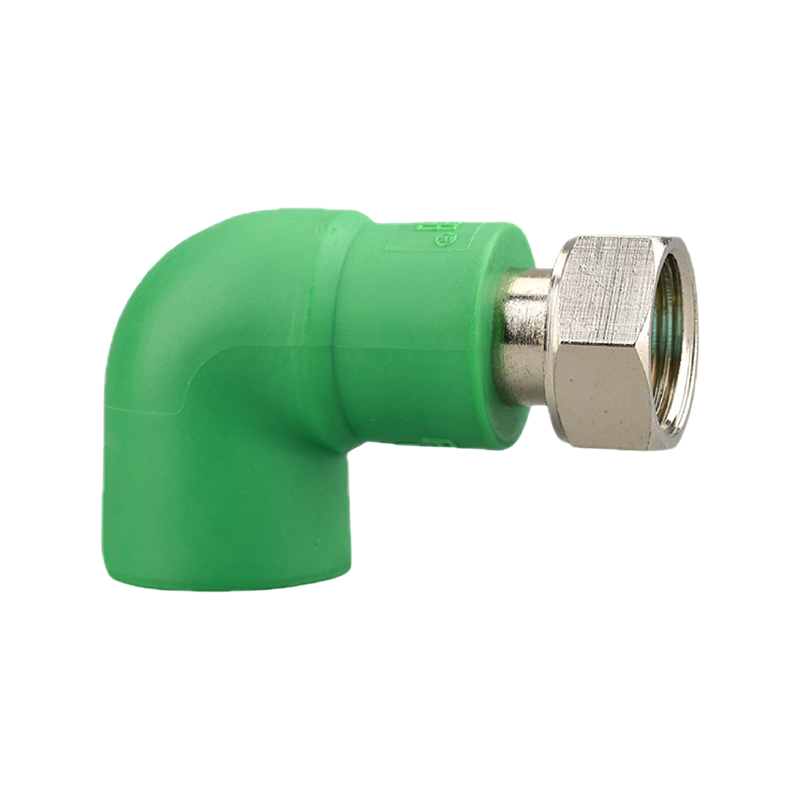
| PPR | Green, White, Gray | 180°F (82°C) | 150-320 psi (SDR-dependent) | Hot & cold potable water, compressed air | Heat fusion (socket or butt) |
| PE-RT | Orange, Red, Purple | 180°F (82°C) | 80-100 psi at 180°F | Radiant floor heating, snow melt | Compression, crimp, socket fusion |
Pressure ratings for PVC and ABS depend heavily on pipe schedule (SCH 40 vs. SCH 80), while PPR ratings follow SDR (Standard Dimension Ratio) series such as SDR 11 or SDR 7.4. Always consult the manufacturer’s pressure-temperature derating chart before specifying. A pipe that holds 300 psi at room temperature may be limited to 60 psi when circulating 140°F water continuously.
Deep Dive #1: PVC and CPVC — The Workhorses of Drainage and Hot Water
PVC (polyvinyl chloride) remains the most recognized plastic pipe globally. Its low material cost and straightforward solvent-weld installation make it the default choice for main water service lines, lawn irrigation, and DWV systems. CPVC (chlorinated polyvinyl chloride) takes the same base polymer and adds chlorine, raising the glass transition temperature and enabling continuous use at 180-200°F. The cost difference is significant: CPVC pipe typically costs 50-70% more per foot than PVC of the same diameter, but it opens the door to full-building hot water distribution without switching to metal or PPR.
In field practice, the critical distinction is the solvent cement. PVC cement will not create a reliable joint on CPVC, and vice versa. The two also require different primers and have different cure times. Code inspectors will fail a system that mixes materials incorrectly. For potable hot water, CPVC holds an important advantage over PEX in chlorine resistance. Long-term testing per ASTM F2023 shows CPVC retains structural integrity in chlorinated water at temperatures that can cause oxidative embrittlement in some PEX formulations.
When selecting between PVC and CPVC for a project, the decision tree is simple. If the fluid never exceeds 140°F and the application is not working at the upper end of the pressure curve, PVC offers material savings on the order of 40-50%. If hot water is part of the system, CPVC becomes the minimum specification. For DWV applications specifically, PVC and ABS compete directly on cost, with ABS offering better impact resistance at low temperatures — a property that matters during winter construction.
| Parameter | PVC (SCH 40) | CPVC (SCH 40) |
|---|---|---|
| Max service temp (continuous) | 140°F | 200°F |
| Typical cost per ft (1/2") | $0.35-$0.55 | $0.60-$0.95 |
| Potable water approved | Yes (cold only) | Yes (hot & cold) |
| Chlorine resistance | Moderate | Excellent |
| Embrittlement risk over time | Low (cold water) | Very low |
Deep Dive #2: PEX — The Flexible Champion for Retrofit and Radiant Heating
Cross-linked polyethylene (PEX) changed the economics of repiping. Its flexibility allows runs from a manifold to fixture without concealed couplings, dramatically reducing potential leak points behind walls. PEX comes in three manufacturing methods — PEX-a (peroxide), PEX-b (silane), and PEX-c (electron beam) — and they behave differently in the field. PEX-a exhibits the highest cross-linking uniformity and the greatest flexibility, including the ability to recover from kinks using a heat gun. PEX-b offers slightly higher burst pressure at the cost of a stiffer coil memory. PEX-c is the most economical but has the lowest cross-linking degree, making it less resistant to repeated thermal cycling stress.
For radiant floor heating, PEX and PE-RT are direct competitors. PEX has a longer history in North America, but it introduces a property that PE-RT avoids: the tendency to slowly oxidize when exposed to high-temperature water with free chlorine. This is not a concern in closed-loop radiant systems, but in open potable water loops, PE-RT’s molecular structure is inherently more chlorine-resistant. The choice between PEX and PE-RT for radiant heating often comes down to local code acceptance and the installer’s stocking preferences.
Installers should note that PEX is not UV stable. Storing coils uncovered outdoors for more than 30-60 days can degrade the outer surface. PEX also requires a different tool set than rigid pipe. A manual crimp tool costs $60-$120; a battery-powered expander for PEX-a can exceed $400. These upfront costs influence the profitability of small retrofit jobs. Still, PEX dominates the residential repipe market because labor savings often offset tool investment within the first two projects.
Deep Dive #3: PPR and PE-RT — The European and Asian Standards for Hot and Cold Water
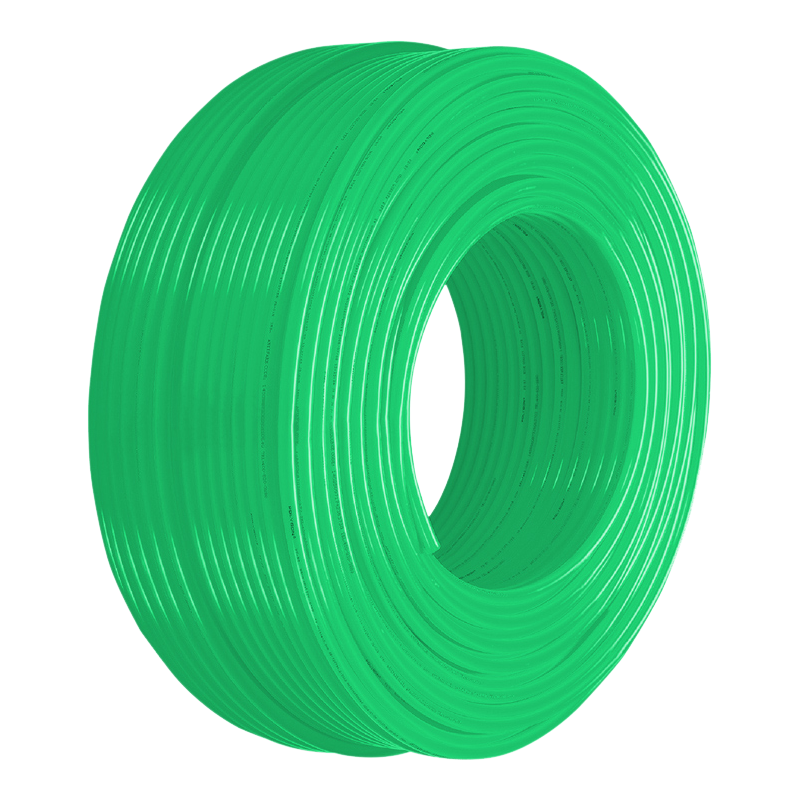
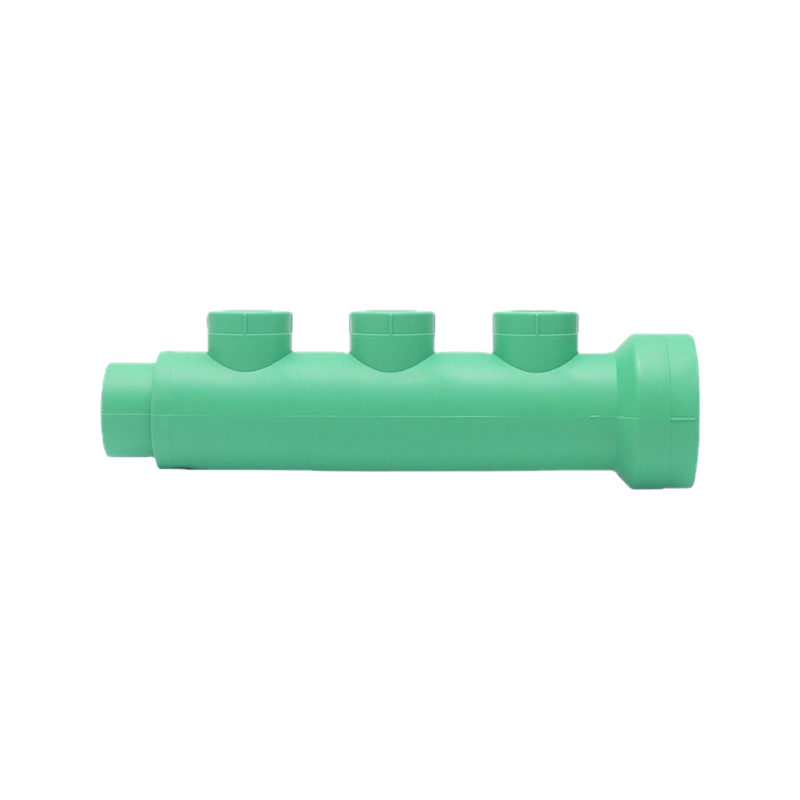
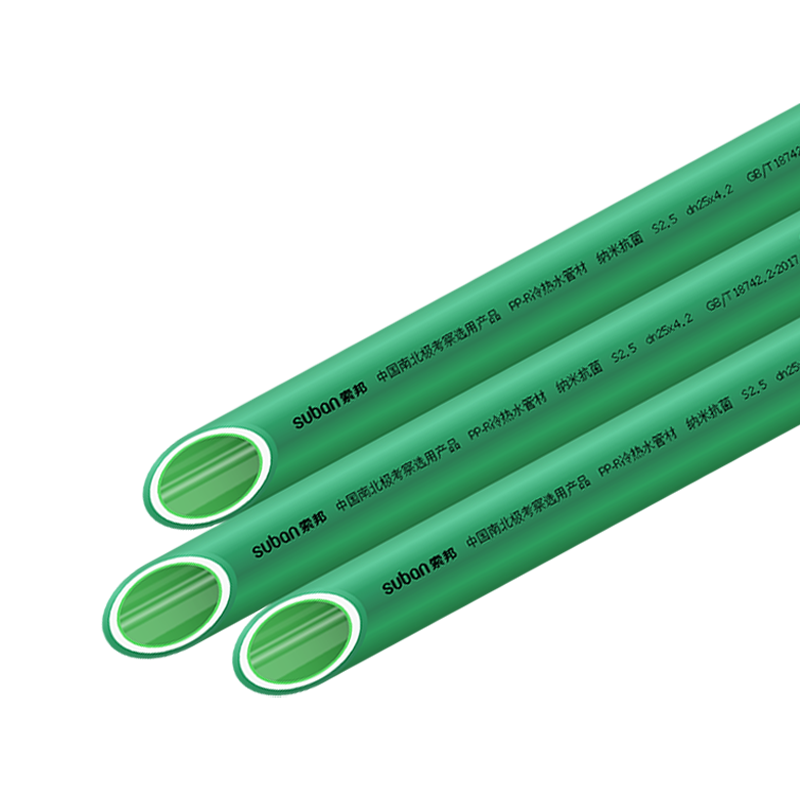
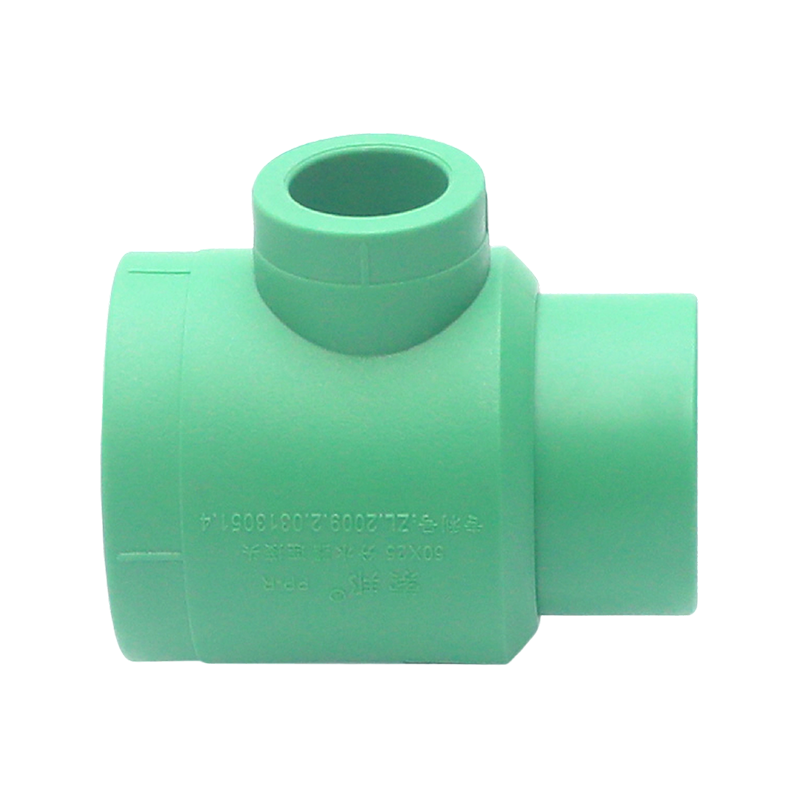
PPR (polypropylene random copolymer) and PE-RT (polyethylene of raised temperature resistance) account for a massive share of global plumbing outside North America. PPR systems are standard in residential and commercial construction across China, India, the Middle East, and much of Europe. The hallmark of PPR is heat fusion: pipe and fitting are melted at 260°C (500°F) and fused into a monolithic joint. When performed correctly, the joint becomes stronger than the pipe itself. There is no solvent, no O-ring, and no mechanical clamp that can loosen over time.
The manufacturing scale behind PPR explains its cost competitiveness. Some producers run over 100 dedicated extrusion lines, maintaining a consistent wall thickness and SDR series that support pressure ratings from 150 to over 320 psi. PPR hot melt pipe fittings are engineered with matching melt flow rates, so the heat fusion process yields a homogeneous weld. This eliminates the chemical compatibility issues that occasionally arise between different brands in solvent-welded systems.
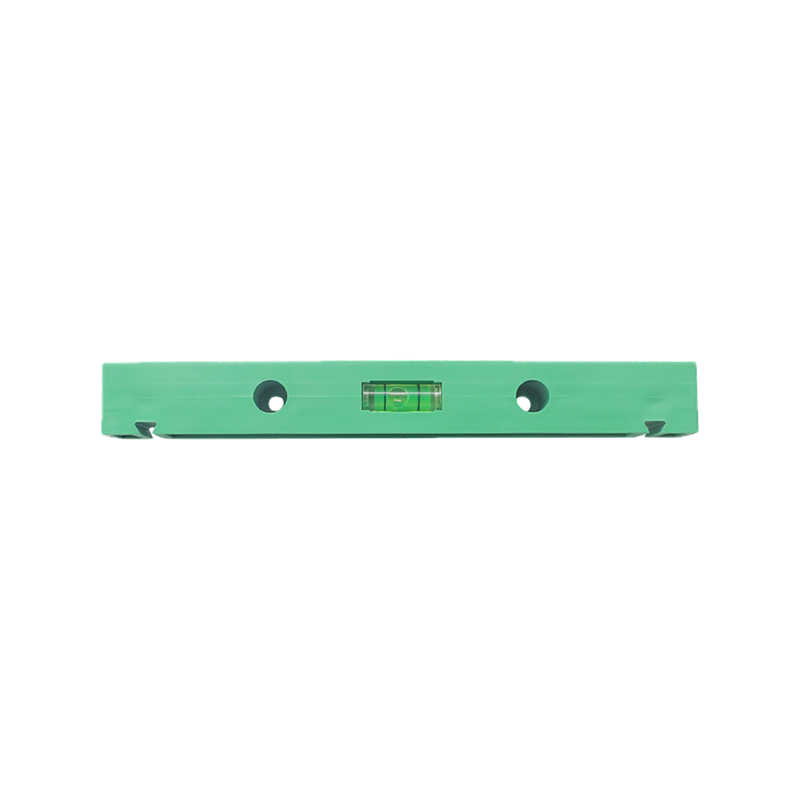
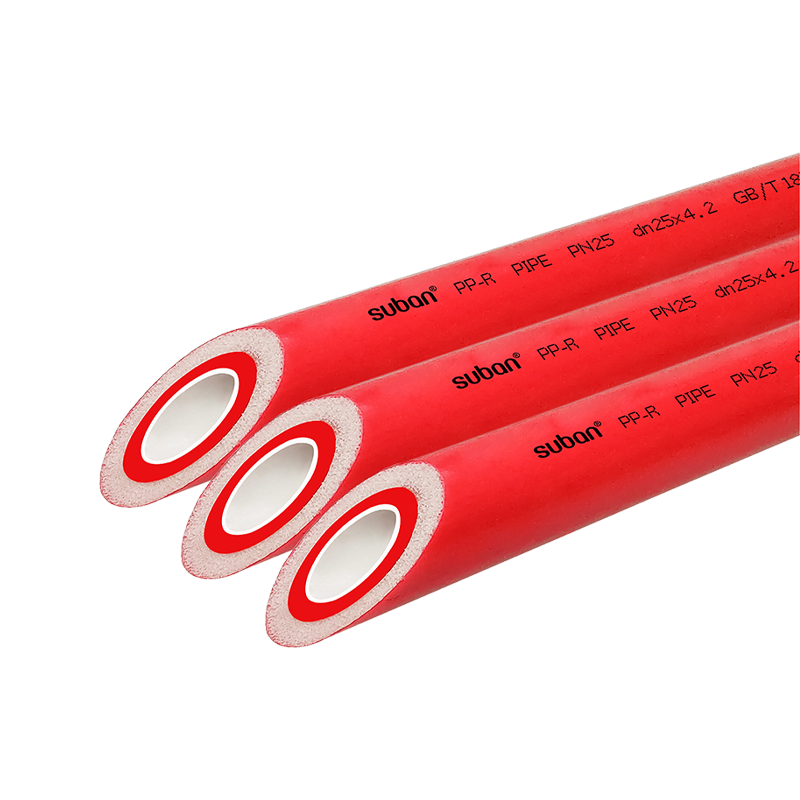
PE-RT occupies a different niche. It was developed specifically for high-temperature, closed-loop hydronic applications like underfloor heating, radiator connections, and snow-melt systems. Its molecular structure incorporates octene or hexene co-monomers, creating a polyethylene backbone with sufficient thermal stability to handle 180°F water indefinitely without cross-linking. The result is a pipe that can be joined by standard socket fusion or by simple compression fittings, without the special tooling required for PEX. Single-layer PE-RT underfloor heating pipe is widely used in residential projects, while double-layer variants with an oxygen barrier are specified for commercial radiant slabs to prevent corrosion of ferrous components. An extreme-weather case is illustrative: PE-RT pipes have been selected for Antarctic research station heating systems, where sustained sub-zero ground temperatures and high thermal demands push materials to their limits. This real-world validation gives engineers confidence in long-term performance claims.
How to Choose the Right Plastic Pipe: A Decision Framework
Starting with the application, not the material, avoids the most common specification errors. The questions below form a step-by-step filter that guides any buyer, from a homeowner tackling a single bathroom to a procurement manager ordering for a 500-unit development.
- Is the system potable water, DWV, or heating? For DWV only, PVC or ABS are cost-optimal. For potable hot and cold, the field narrows to CPVC, PEX, or PPR. For closed-loop radiant heating, PEX or PE-RT are the primary options.
- What is the maximum continuous operating temperature? If the water temperature exceeds 160°F, PVC and ABS drop out. Above 180°F, only rated CPVC, PPR, and PE-RT remain. Derate working pressure accordingly.
- What local code requires? Some jurisdictions mandate CPVC for commercial hot water or prohibit PEX in certain fire-rated assemblies. Confirm compliance before ordering.
- What installation skill set is available? Solvent welding PVC/CPVC/ABS requires training in primer application and cure times. PEX crimp systems are more forgiving but still need quality control on ring placement. PPR fusion requires a temperature-controlled welding tool and strict heating times; poor technique leads to cold joints that leak under pressure.
- Is repairability a priority? PEX with a manifold system offers the easiest future repair because individual circuits can be isolated. Heat-fused PPR repairs typically require cutting out a section and welding in a new segment with couplings.
- What is the total installed cost, not just material price? PVC may be cheapest per foot, but if the project requires steel pipe hangers every 6 feet and 12 couplings for directional changes, a flexible PEX home-run system may reduce labor enough to close the gap.
B2B Considerations: Buying Plastic Pipe in Bulk
For wholesalers, contractors, and project developers, the purchasing dynamics differ from single-family retail. Lead times, minimum order quantities (MOQ), and packaging directly affect cash flow and job site logistics. A container-load of PPR pipe in standard 4-meter lengths ships differently than 1,000-foot PEX coils on pallets. Smart procurement goes beyond price-per-meter.
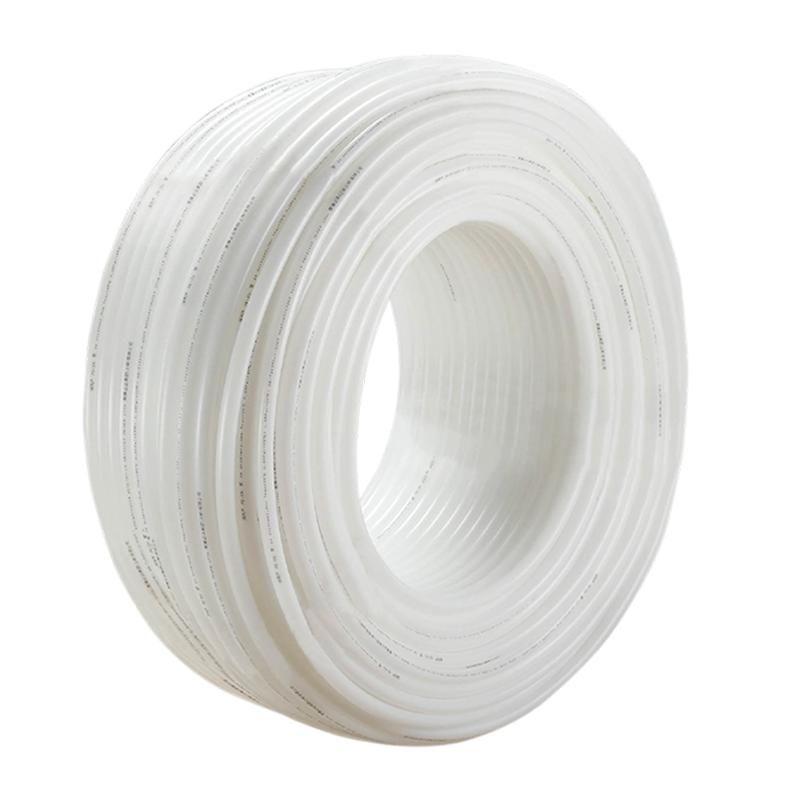
- MOQ and mixed-container flexibility. Many manufacturers set a minimum order quantity of 5,000-10,000 meters per diameter, but suppliers with broad PE-RT heating pipe and PPR inventory may allow mixing multiple SKUs in a single container, reducing the carrying cost of slow-moving items.
- Certification documentation. NSF/ANSI 61, WRAS, or DVGW certifications must be current and traceable by batch number. Request test reports before shipment, not after.
- Packaging requirements. UV-stabilized packaging film, pallet corner protectors, and weather-resistant wrapping are not optional for ocean freight. A few weeks in direct sunlight on a job site can degrade unprotected material.
- Consistency of raw material supply. A manufacturer with an integrated supply chain for resin and a high-capacity extrusion park can guarantee consistent compound formulations across batches, eliminating jointing problems caused by slight melt-flow variations.
- Customization options. Some buyers need custom colors for brand identity, specific coil lengths for mechanized installs, or printed meter marks for inventory control. Clarify these specifications at the RFQ stage.
Selecting a supplier that covers the full pipe spectrum — PPR for hot/cold, PE-RT for underfloor systems, and PEX for retrofit — also reduces admin overhead and freight complexity for mixed projects.
Our Product //
Recommend Products
 +86-13801995968
 +86-18017886575
 No. 366, Lane 6995, Puxing Road, Fengxian District, Shanghai
Copyright © SHANGHAI PILSA PIPE INDUSTRY CO., LTD. All rights reserved.

