

 en
en
 English
 русский
 Español
 عربى
عربى


PPR Pipe: Material Properties, Applications & Buying Guide
Industry News-Content
What Is PPR Pipe?
Polypropylene Random Copolymer — PPR for short — is the material that defines a generation of modern piping. Unlike standard homopolymer polypropylene (PP-H), which has a uniform, rigid molecular structure, PPR is produced by randomly inserting small amounts of ethylene (typically 3–5%) into the propylene polymer chain during the polymerization process. Those ethylene "interruptions" disrupt the crystalline alignment just enough to make the pipe significantly tougher, more flexible under impact, and far more resistant to thermal stress.
The result is a pipe that balances hardness with resilience. Internally, the random copolymer structure creates molecular interlocking zones that absorb pressure surges and prevent micro-cracks from spreading — a failure mode that is common in rigid, fully crystalline plastics. This structural logic is why PPR has displaced both metal and earlier-generation plastic pipes across residential, commercial, and industrial water systems worldwide.
PPR pipes are manufactured through a continuous extrusion process and are typically available in standard diameters from 20 mm to 110 mm, though larger-diameter industrial variants exist. Standard colors include white, green, and grey, with the color often indicating the product grade or intended application in a given manufacturer's lineup.
Key Technical Properties of PPR Pipe
For engineers and procurement managers, the case for PPR comes down to a specific cluster of measurable performance characteristics. Here is what matters most:
- Thermal resistance: PPR pipe handles continuous operating temperatures up to 70°C and short-term peak temperatures up to 95°C without deformation or pressure loss. This range covers virtually all residential and light commercial hot water applications.
- Long-term hydrostatic strength: Under standard conditions — 70°C operating temperature and 10 kg/cm² working pressure — PPR systems are rated for a service life exceeding 50 years. This is one of the highest longevity ratings among thermoplastic pipe materials. According to technical guidance from the Plastics Pipe Institute's Building & Construction Division, SDR 9 wall-type PPR is rated for 100 psi at 180°F (690 kPa at 82°C), meeting the requirements of all major national plumbing and mechanical codes.
- Low thermal conductivity: PPR conducts heat at a fraction of the rate of copper or steel. For hot water lines, this means less standby heat loss and faster delivery of hot water at the tap — translating to measurable reductions in energy costs over the pipe system's lifetime.
- Chemical inertness: PPR resists most acids, alkalis, and inorganic chemicals commonly encountered in building water systems and light industrial processes. It will not rust, corrode, or scale internally — a significant advantage over galvanized steel or copper in water supplies with high mineral content.
- Low weight: The density of PPR is approximately 0.89–0.91 g/cm³, compared to 8.9 g/cm³ for copper and 7.8 g/cm³ for steel. Lighter material means lower shipping costs, easier handling on site, and reduced structural load in building installations.
- Acoustic damping: PPR's viscoelastic properties absorb the vibrations caused by high-velocity water flow and water hammer effects, making PPR systems noticeably quieter than metal piping in residential applications.
- Non-toxic and potable water safe: PPR is chemically inert and does not leach plasticizers or heavy metals. It is widely certified for drinking water contact applications, making it suitable for hospitals, food processing facilities, and residential potable water systems.
Common Applications of PPR Pipe
PPR pipe's combination of thermal tolerance, pressure resistance, and chemical inertness makes it the first-choice material across a broad range of fluid transport scenarios.
- Hot and cold water distribution: This is the core application. PPR handles the pressure and temperature cycling of modern plumbing systems — from cold supply mains to high-temperature domestic hot water circuits — within a single, unified pipe material. Explore Suban's hot and cold water supply pipes and fittings designed for full-system installations.
- HVAC chilled water systems: In commercial HVAC, PPR is used for chilled water distribution to fan coils, chilled beams, and air handling units. Its smooth interior surface reduces friction losses, improving system efficiency versus older metal alternatives.
- Radiant and underfloor heating: PPR is compatible with low-temperature hydronic heating systems, including wall and floor radiant circuits. Where the loop itself connects to a distribution manifold, PPR supply and return lines often pair with underfloor heating pipe systems in a fully integrated configuration.
- Industrial process piping: Chemical plants, food processing facilities, and pharmaceutical manufacturers use PPR for transporting corrosive fluids, purified water, and process liquids where metal contamination or corrosion is unacceptable.
- Solar energy systems: PPR's tolerance for elevated temperatures makes it suitable for the secondary circuits of solar thermal systems, where fluid temperatures can spike well above normal plumbing ranges.
- Agricultural and irrigation systems: The pipe's chemical resistance and long outdoor service life make it a practical choice for pressurized irrigation mains and chemical dosing lines in agricultural settings.
PPR Pipe vs. Other Pipe Materials
Selecting the right pipe material requires weighing cost, performance, installation complexity, and long-term maintenance. The table below compares PPR against the most common alternatives used in building water systems.
| Property | PPR | Copper | PVC (uPVC) | PE (HDPE) |
|---|---|---|---|---|
| Max. Continuous Temp. | 70°C | 110°C+ | 60°C | 60°C |
| Corrosion Resistance | Excellent | Good (pitting risk) | Excellent | Excellent |
| Material Weight | Very light | Heavy | Light | Light |
| Installation Method | Heat fusion (no glue) | Soldering / press-fit | Solvent cement | Butt/electrofusion |
| Potable Water Safe | Yes | Yes | Yes (cold only) | Yes |
| Relative Material Cost | Low–Medium | High | Low | Medium |
| Expected Service Life | 50+ years | 40–70 years | 25–40 years | 50+ years |
The clearest competitive advantage PPR holds over PVC is temperature tolerance — PVC is generally unsuitable for continuous hot water service. Against copper, PPR wins on corrosion immunity, installation speed, and total installed cost in most markets. Against PE, PPR offers a stiffer pipe body that holds shape in pressurized building systems without the creep behavior that can affect softer polyethylene grades at elevated temperatures.
How PPR Pipe Is Installed: Heat Fusion Explained
One of PPR pipe's defining installation advantages is the heat fusion (hot-melt) jointing method. Rather than relying on threaded connections, adhesive cements, or mechanical fittings — each of which introduces potential failure points — PPR pipe and fittings are joined by melting the mating surfaces and pressing them together. The two surfaces fuse at the molecular level, creating a monolithic joint that is typically stronger than the pipe body itself.
The process follows a straightforward sequence. A calibrated welding tool heats both the pipe end and the fitting socket simultaneously to the correct fusion temperature (typically around 260°C). After a precise heating period, the tool is removed and the pipe and fitting are pressed together and held briefly while the polymer cools and solidifies. No primers, solvents, or adhesives are used — and no open flame is required.
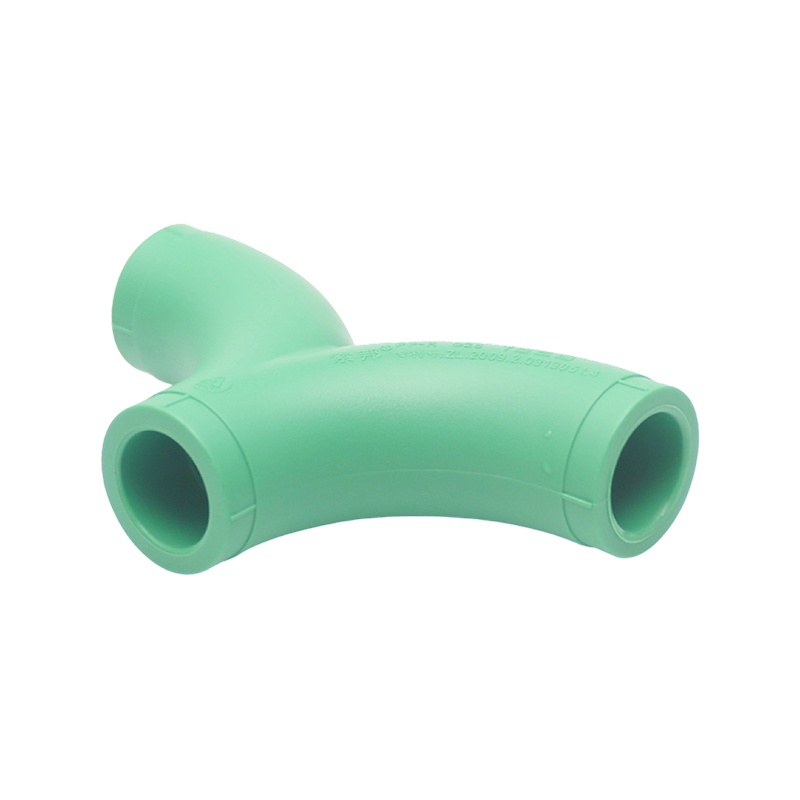
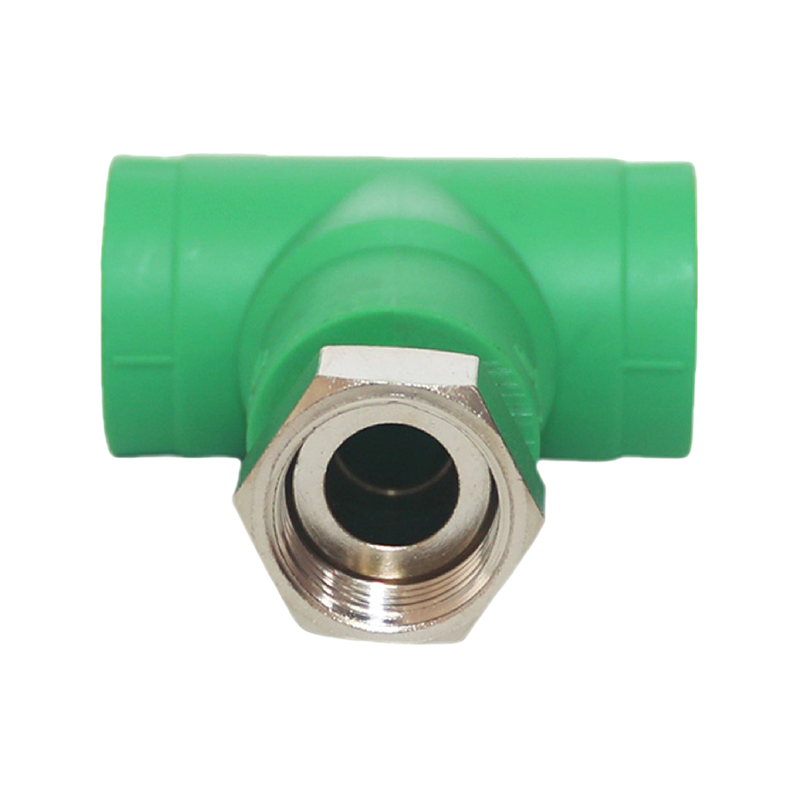
The practical outcomes are significant. Properly fused joints are fully leak-proof under thermal cycling and pressure fluctuation without any form of ongoing maintenance. For large-scale projects — residential developments, commercial towers, hospital complexes — this translates to dramatically reduced installation time and lower long-term maintenance costs versus threaded or compression-fit metal systems. Suban's complete range of PPR pipe fittings including elbows and tees are manufactured from the same PPR compound as the pipes, ensuring consistent fusion performance across every joint in the system. For directional changes, the system relies on hot melt PPR elbow connectors available in both 45° and 90° configurations.
Choosing the Right PPR Pipe: Sizes, Standards & Grades
Not all PPR pipe is dimensioned or rated equally. The two variables that most directly affect performance and suitability are wall thickness (expressed as SDR — Standard Dimension Ratio) and compliance with applicable standards.
SDR is the ratio of the pipe's outside diameter to its wall thickness. A lower SDR means a thicker wall and a higher pressure rating. Common SDR values for PPR pressure pipe include SDR 7.4, SDR 9, SDR 11, and SDR 13.5. For hot water plumbing where both temperature and pressure are elevated, SDR 7.4 or SDR 9 is typically specified. For cold water supply at lower working pressures, SDR 11 or SDR 13.5 may be adequate and more economical.
From a standards compliance perspective, the primary North American specification is ASTM F2389, Standard Specification for Pressure-Rated Polypropylene (PP) Piping Systems, which covers pipe, fittings, valves, and manifolds for applications ranging from hot-and-cold water distribution to hydronic heating and irrigation. In European and international markets, ISO 15874 is the governing standard series. Pipes intended for potable water contact should additionally carry NSF/ANSI 61 certification for health effects and NSF/ANSI 14 for overall physical and performance requirements.
For industrial and large-scale commercial procurement, diameters above 110 mm are available for main supply lines and distribution headers. Always confirm the pressure-temperature de-rating curve with the manufacturer for the specific operating conditions of your project — pressure ratings for all thermoplastic pipes decrease as temperature increases.
Why Source PPR Pipe from Suban
Shanghai Pilsa Pipe Industry Co., Ltd. — operating under the Suban brand — has been manufacturing plastic piping systems since 2003, affiliated with Shanghai Subang Group. The company operates two primary production bases in Shanghai and Zhoukou, Henan Province, with cooperative manufacturing spread across six provinces. Total factory coverage exceeds 100,000 square meters, with over 100 active production lines and an annual output capacity of 100,000 tons.
The Suban PPR water supply system is certified for potable water applications and engineered for full-system deployment — from main distribution pipes to the complete fitting ecosystem. The product range covers every component required for a professional installation: pipes in standard diameters, hot-melt elbows and tees, unions, and high-flow manifolds for multi-circuit applications. View the company's factory overview and production capabilities for detailed information on manufacturing infrastructure and quality control processes.
For procurement teams evaluating large-volume orders — residential development projects, commercial construction, or distribution partnerships — Suban offers factory-direct pricing, flexible specification customization, and multi-language sales support across English, Russian, Spanish, and Arabic. The combination of German-standard manufacturing quality, a proven track record since 2003, and the logistics infrastructure of a 100,000-ton annual capacity facility makes Suban a reliable source for projects where supply consistency and product traceability are non-negotiable.
Our Product //
Recommend Products
 +86-13801995968
 +86-18017886575
 No. 366, Lane 6995, Puxing Road, Fengxian District, Shanghai
Copyright © SHANGHAI PILSA PIPE INDUSTRY CO., LTD. All rights reserved.

